Grilling Veggies: Best Types & Smart Tips for Maximum Flavor
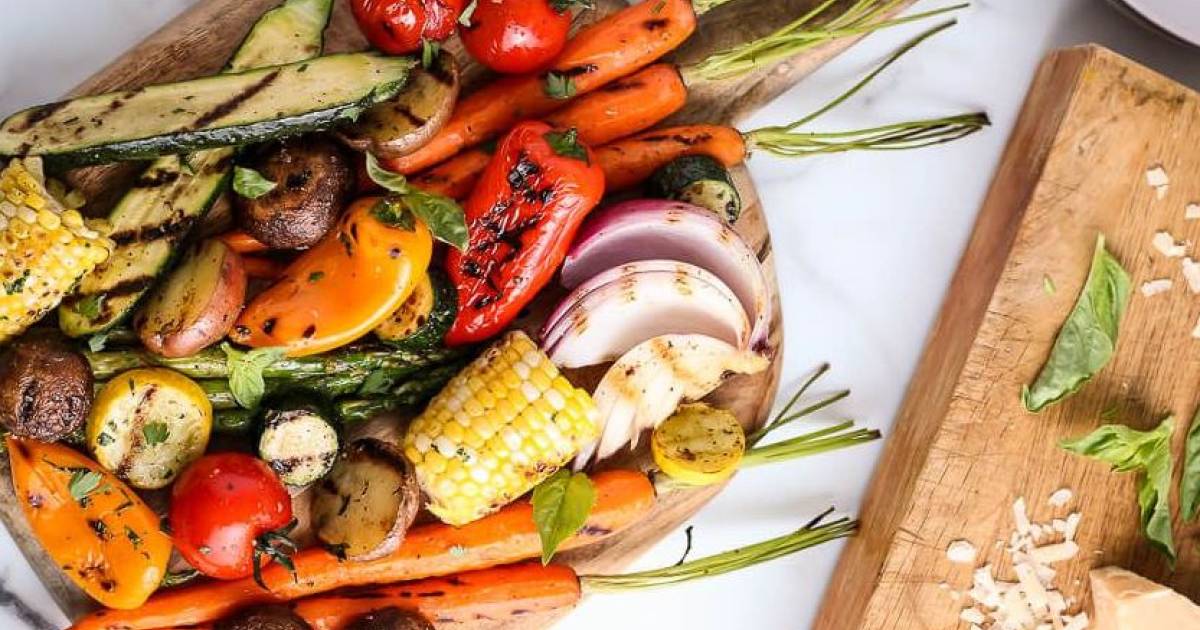
There's an undeniable magic that happens when fresh vegetables meet the high heat of a grill. What starts as a simple side dish transforms into a culinary masterpiece, boasting smoky char, tender interiors, and an intensified sweetness that's simply irresistible. Mastering the art of grilling vegetables isn't just about throwing them on the grates; it's about understanding which types shine brightest under the flames and employing smart techniques to coax out their peak flavor. Beyond their incredible taste, easy summer grilled vegetables offer a vibrant, nutritious, and incredibly versatile addition to any meal, proving that healthy eating can be both exciting and delicious.
Why Grill Vegetables? Unlocking Natural Flavors
The grill is a flavor enhancer's best friend. The intense, direct heat works wonders on vegetables, caramelizing their natural sugars and creating a beautiful smoky aroma that you just can't replicate in an oven. This process elevates their inherent sweetness and adds a complex depth of flavor that can turn even the pickiest eaters into veggie enthusiasts. Imagine the satisfying crunch of perfectly charred peppers or the delicate sweetness of grilled corn – these aren't just sides; they're stars in their own right.
Beyond taste, grilling vegetables offers a myriad of benefits:
- Enhanced Sweetness: The high heat concentrates sugars, making vegetables taste sweeter and more appealing.
- Irresistible Texture: From slightly crisp to delightfully tender, grilling offers a range of textures with delightful char marks.
- Nutrient Retention: Quick cooking over high heat can help retain more vitamins and minerals compared to longer cooking methods.
- Versatility: Grilled veggies are perfect on their own, tossed into salads, layered in sandwiches, mixed into grain bowls, or served alongside any protein.
- Visual Appeal: A colorful medley of grilled vegetables is a feast for the eyes, adding vibrancy to your plate.
- Ease and Convenience: Once you know the basics, grilling vegetables is incredibly straightforward and often quicker than other methods, especially when your grill is already fired up for other dishes.
Master the Prep: Tips for Perfectly Grilled Veggies
While grilling vegetables is deceptively simple, a few crucial steps can make the difference between good and truly great results. The secret lies in thoughtful preparation and understanding your grill.
Essential Preparation Steps
Before your veggies even touch the grates, proper prep is key:
- Wash and Dry Thoroughly: Remove any dirt or debris. Excess moisture can lead to steaming instead of charring, so pat them dry.
- Uniformity is Key: Cut vegetables into pieces of roughly the same size and thickness. This ensures even cooking and prevents smaller pieces from burning while larger ones remain raw. Think spears, thick slices, or halves, depending on the vegetable.
- Oil Generously: Toss your cut vegetables with a good quality olive oil or another high-smoke-point oil. This prevents sticking, helps transfer heat, and contributes to that beautiful char.
- Season Liberally: Don't be shy with salt and freshly ground black pepper. For an extra flavor boost, consider garlic powder, onion powder, paprika, or your favorite herb blends. Finishing with fresh herbs and a drizzle of good olive oil after grilling adds a bright, fresh layer.
The Right Heat and Placement
A preheated grill is non-negotiable. Aim for a medium-high heat for most vegetables. Just like cooking a steak, you want the grates hot enough to create those sought-after grill marks and initiate caramelization without overcooking the interior.
- Preheat Properly: Give your grill 10-15 minutes to reach the desired temperature.
- Know Your Hot Spots: Grills often have areas that are hotter than others (typically towards the back). Use these for vegetables that benefit from a stronger char, like corn or bell peppers.
- Single Layer: Arrange vegetables in a single layer on the grill grates. Overcrowding lowers the grill's temperature and causes vegetables to steam rather than grill, resulting in a soggy, unappealing texture. If you have many vegetables, work in batches.
- Keep Warm: If grilling in batches, you can keep finished vegetables warm on a baking sheet in a 200-degree Fahrenheit oven while you finish the rest.
The Best Vegetables for Grilling: A Comprehensive Guide
Not all vegetables are created equal when it comes to grilling. Some thrive under direct heat, developing incredible flavors and textures, while others require a bit more finesse or specific tools. Here's a breakdown of the best choices and how to handle them:
Fruiting Vegetables (Often Mistaken for Veggies)
These savory "fruits" are stellar on the grill, softening beautifully and developing a smoky sweetness.
- Peppers: Bell peppers (red, yellow, orange) and even poblanos or jalapeños are fantastic. Cut them into halves or thick strips. They love a good char!
- Zucchini & Summer Squash: Slice lengthwise into thick planks or crosswise into substantial rounds. They cook quickly and get beautifully tender.
- Eggplant: Slice into thick rounds or planks. Salting and resting briefly before oiling can draw out some moisture and bitterness, though many modern varieties don't require this.
- Tomatoes: Halve larger tomatoes (like Roma or Beefsteak) or skewer cherry tomatoes. Grill briefly until just softened and slightly charred.
- Okra: Best grilled whole or halved lengthwise. Its natural sliminess magically disappears on the grill.
- Avocado: Halve and pit, then brush the cut side with oil. Grill cut-side down for just a few minutes until grill marks appear. Delicious in salads or as a smoky side.
Cruciferous Vegetables
These sturdy vegetables become surprisingly sweet and nutty when grilled.
- Broccoli & Cauliflower: Cut into large florets or thick "steaks." These benefit from a grill basket or a piece of foil to prevent smaller pieces from falling through.
- Cabbage: Cut into thick wedges or "steaks" through the core to hold it together. The outer leaves will char beautifully.
- Brussels Sprouts: Halve them and skewer them or use a grill basket. Their tiny leaves become wonderfully crispy.
Allium Vegetables
Grilling brings out the natural sweetness and mellows the pungency of these aromatic bulbs.
- Onions (Bulb & Green): Thick slices of red or yellow onion become incredibly sweet and tender. Green onions grill up quickly, becoming slightly charred and flavorful.
- Leeks & Shallots: Halve or quarter leeks lengthwise. Shallots can be grilled whole or halved.
- Garlic: To grill garlic, slice the top off a whole bulb to expose the cloves, drizzle with oil, wrap in foil, and grill over indirect heat until soft and sweet.
Other Excellent Choices
- Corn on the Cob: Grill directly in its husk for a steamy effect, or shuck and grill directly for maximum char and sweetness.
- Mushrooms: Large portobello caps are fantastic grilled whole (stem removed). Smaller button or cremini mushrooms can be skewered or grilled in a basket.
- Asparagus: Trim the woody ends, toss with oil, and grill until tender-crisp.
Veggies Needing Special Care (or Equipment)
- Legumes (Pea Pods, Green Beans): Their small size makes them prone to falling through grates. A grill basket or grilling grid is highly recommended for these.
- Root & Tuber Vegetables (Potatoes, Carrots, Beets, Sweet Potatoes, Turnips): These starchy vegetables are firm and take longer to cook. For best results, slice them thinly or dice them, then toss with oil and seasonings. You can grill them in a foil packet over lower heat for a longer duration, or par-boil them slightly before grilling to ensure they become tender without burning.
Veggies to Avoid (or Treat Differently)
While most vegetables can find their place on the grill, some delicate leafy greens don't hold up well to direct, intense heat. Thin leaves like spinach, arugula, or even bagged lettuce tend to wilt and burn instantly. However, heartier varieties like a halved head of romaine lettuce can be quickly grilled cut-side down for a delightful smoky crunch, adding a unique twist to a classic Caesar salad. For more detailed guidance on achieving perfect char and tenderness every time, check out our guide on How to Grill Vegetables Perfectly: Charred & Tender Every Time.
Achieving Grill Marks and Avoiding Burns
The hallmark of expertly grilled vegetables is that beautiful crosshatch pattern of char marks, signaling delicious caramelization. To achieve these without burning your veggies:
- Clean Grates: Start with clean grates to prevent sticking.
- Even Spacing: Don't overcrowd the grill. Allow each piece space.
- Don't Rush the Flip: Let the vegetables cook undisturbed on one side until you see distinct grill marks and they release easily from the grates. This usually takes 3-5 minutes per side, depending on the heat and vegetable.
- Rotate and Repeat: For crosshatch marks, rotate the vegetable 90 degrees after the first set of marks appears, then flip and repeat on the other side.
- Monitor Heat: Pay attention to your grill's temperature. If vegetables are charring too quickly, move them to a cooler part of the grill or slightly reduce the heat.
- Cook to Tenderness: Crisper vegetables like carrots or broccoli will take longer to become tender, while softer ones like zucchini or peppers cook faster. Adjust grilling times accordingly.
Conclusion
Grilling vegetables is an art form that's surprisingly easy to master. By understanding the best types of vegetables for grilling, employing smart preparation techniques, and knowing how to manage your grill's heat, you can transform simple produce into a vibrant, flavorful, and incredibly healthy dish. From the sweet char of bell peppers to the smoky tenderness of asparagus, grilled vegetables offer a spectrum of tastes and textures that will elevate any meal. So, fire up your grill, embrace the season's bounty, and enjoy the delicious rewards of perfectly grilled vegetables.
