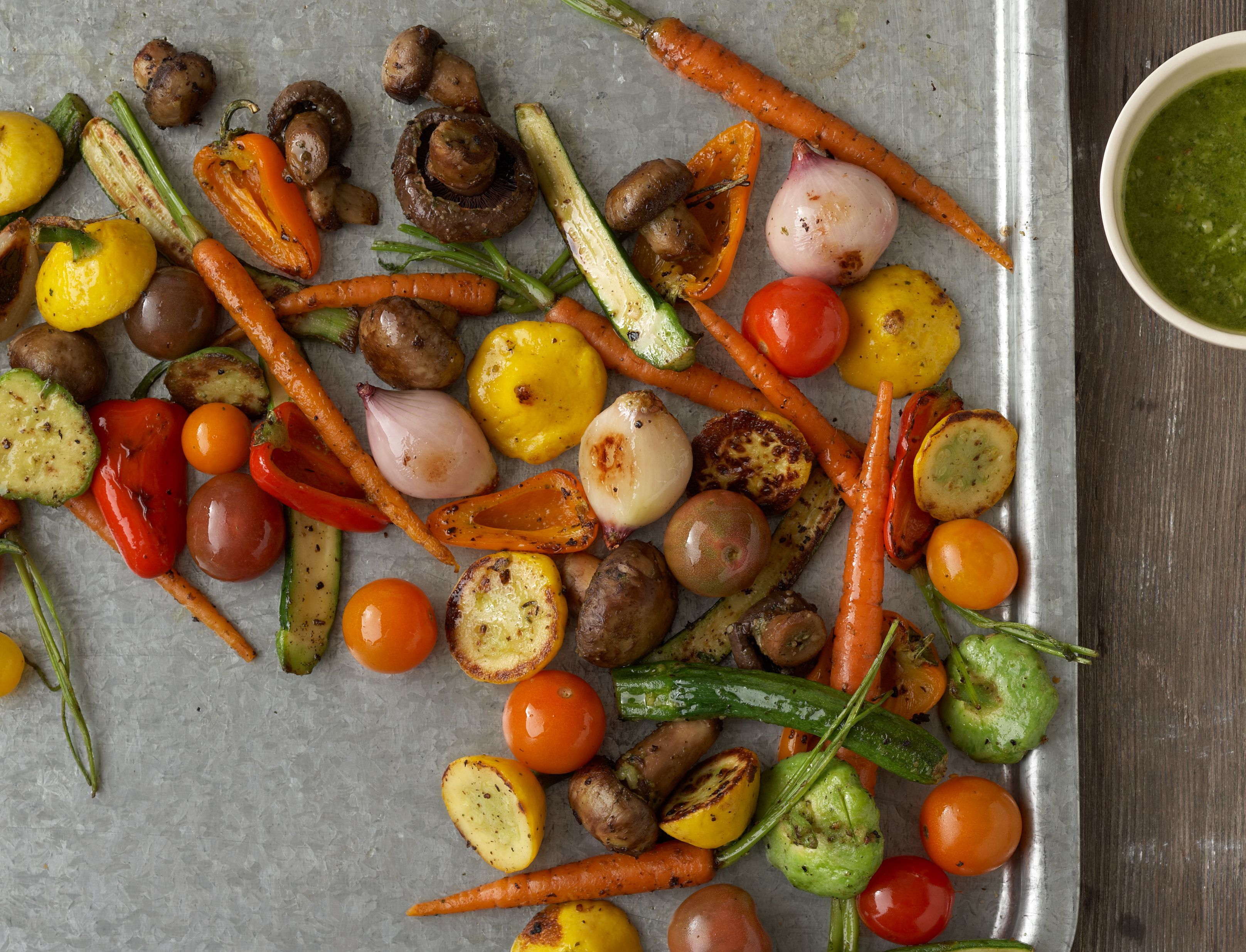
How to Master the Art of Grilling Vegetables for Unforgettable Flavor
There’s an undeniable magic that happens when fresh, vibrant vegetables meet the fiery embrace of a hot grill. The intense heat coaxes out their natural sweetness, imparting a smoky depth and creating those coveted charred edges while keeping the interiors perfectly tender. Far from being a mere afterthought, perfectly grilled vegetables transform into a star side dish or a versatile ingredient for countless summer meals. Whether you’re firing up the grill for a backyard barbecue or simply seeking a healthy, flavorful way to enjoy your produce, mastering the art of grilling vegetables is a culinary skill that truly pays off. This guide will walk you through everything you need to know to achieve that ideal balance of char and tenderness every single time.
Choosing Your Produce: The Best Vegetables for Grilling
Not all vegetables are created equal when it comes to grilling. Some thrive under direct heat, developing incredible flavor and texture, while others require a more delicate approach or are best avoided entirely. Understanding which vegetables work best is the first step to grilling perfection.
"Fruit" Vegetables that Grill Like a Dream
Many botanical fruits we commonly refer to as vegetables are fantastic on the grill due to their firm texture and relatively high water content. These include:
- Bell Peppers: Sliced into wide strips or halved, they become sweet and smoky with beautiful char.
- Zucchini & Summer Squash: Cut into planks or thick rounds, they soften quickly and develop a lovely grilled flavor.
- Eggplant: Sliced into rounds or planks, eggplant absorbs smoky flavor beautifully and becomes wonderfully tender. Remember to salt slices beforehand to draw out excess moisture and bitterness.
- Tomatoes: Halved or quartered large tomatoes, or even whole cherry tomatoes on skewers, caramelize deliciously.
- Avocado: Halved and pitted, a quick grill adds a surprising smoky note and creamy texture.
- Okra: Whole pods, tossed with oil and seasoning, become tender and less "slimy."
Cruciferous and Allium Favorites for the Grill
These categories offer robust flavors that stand up well to grilling:
- Broccoli & Cauliflower: Cut into florets or thick "steaks," they develop a sweet, nutty flavor. For smaller pieces, consider using a grill basket or a foil packet to prevent them from falling through the grates.
- Brussels Sprouts: Halved and grilled until tender-crisp, they are a revelation. Again, a grill basket is your friend here.
- Cabbage: Sliced into thick wedges or "steaks," cabbage becomes wonderfully tender and sweet with charred edges.
- Onions & Leeks: Thick slices or halves of bulb onions, whole green onions, or leeks grill up beautifully, becoming sweet and caramelized.
- Garlic: To grill garlic, leave the bulb whole, slice off the very top to expose the cloves, drizzle with oil, wrap in foil, and grill until soft and sweet.
Other Excellent Options
- Corn on the Cob: A classic for a reason! Grill husked or unhusked for varying levels of char and steam.
- Mushrooms: Portobello caps are perfect "steaks," while cremini or button mushrooms can be skewered or placed in a grill basket.
- Asparagus: Tossed simply with oil, salt, and pepper, asparagus spears grill quickly to a tender-crisp perfection.
Tricky but Doable: Root and Starchy Vegetables
Root vegetables like potatoes, carrots, beets, and sweet potatoes are denser and starchier, meaning they take longer to cook through. While they can be grilled, it requires a bit more finesse:
- Low and Slow: Grill over lower heat for a longer period to ensure tenderness before they burn.
- Pre-Treatments: Slice or dice them thinly. For potatoes and sweet potatoes, a quick parboil or microwave session before grilling can significantly reduce cook time and ensure a tender interior.
- Foil Packets: A great method is to toss sliced root vegetables with oil and seasonings, then wrap them in foil packets and grill them until tender.
Vegetables to Handle with Care (or Avoid)
Most leafy greens like spinach, arugula, or thin lettuces don't fare well on a hot grill, wilting almost instantly. However, larger, heartier greens like halved heads of romaine lettuce can be grilled briefly for a smoky Caesar salad twist.
For a deeper dive into selecting the perfect produce and smart tips for maximizing flavor, check out our guide on
Grilling Veggies: Best Types & Smart Tips for Maximum Flavor.
Mastering the Prep: Seasoning, Oil, and Cut
Perfectly grilled vegetables aren't just about the heat; they're also about smart preparation. This stage is crucial for ensuring even cooking, preventing sticking, and building layers of flavor.
Clean and Consistent Cuts
Before anything else, thoroughly wash and dry your vegetables. Excess moisture can steam rather than char. Next, consider how you cut your vegetables. Consistency is key here – aim for pieces of roughly the same size and thickness so they cook evenly. Thick slices, spears, florets, or halves are generally best. Avoid overly thin slices that might fall through the grates or cook too quickly.
The Role of Fat: Oil is Your Friend
A light coating of oil is essential for several reasons:
- Prevents Sticking: Oil acts as a barrier between the vegetable and the hot grates.
- Aids Browning & Charring: Fat conducts heat efficiently, helping to achieve those beautiful grill marks and caramelized edges.
- Enhances Flavor: Good quality olive oil or avocado oil adds richness and can help seasonings adhere.
Drizzle your cut vegetables with a tablespoon or two of oil per pound and toss to coat evenly.
Seasoning for Success
While a simple sprinkle of salt and freshly ground black pepper is always a good start, don't stop there!
- Herbs: Fresh or dried herbs like rosemary, thyme, oregano, basil, or dill infuse incredible aroma and taste.
- Spices: Garlic powder, onion powder, smoked paprika, chili powder, or even a pinch of cumin can elevate the flavor profile.
- Marinades: For a more intense flavor, especially with denser vegetables like eggplant or portobello mushrooms, a quick marinade (30 minutes to an hour) with oil, acid (lemon juice or vinegar), herbs, and spices can work wonders.
Toss everything together in a large bowl, ensuring each piece is well coated before heading to the grill.
Grilling Techniques for That Perfect Charred & Tender Bite
Now for the main event! The actual grilling process requires attention to detail to achieve that coveted balance of char and tenderness.
The Importance of a Hot, Clean Grill
Always start with a clean grill. Leftover food particles can cause sticking and impart off-flavors. Preheat your grill to medium-high heat (around 400-450°F / 200-230°C). A hot grill is essential for getting those beautiful, dark grill marks and preventing your vegetables from steaming instead of charring.
Don't Overcrowd the Grates
Place your vegetables on the preheated grill grates in a single layer. Resist the urge to pile them up! Overcrowding lowers the grill temperature and leads to uneven cooking and steaming. If you have a lot of vegetables, grill them in batches. You can keep finished batches warm on a baking sheet in a 200°F (95°C) oven while you finish the rest.
Understanding Heat Zones and Cook Times
Different parts of your grill will have hot spots. Use these to your advantage. Vegetables like corn, bell peppers, or eggplant that benefit from a decent char should be placed directly over the hotter zones. Denser vegetables, or those you want to cook through more gently, can be placed over slightly cooler areas or moved there after initial charring.
Cook times will vary significantly based on the type of vegetable, its thickness, and your grill's temperature.
- Softer Vegetables (e.g., zucchini, mushrooms, asparagus): Typically cook in 5-8 minutes, turning once or twice.
- Medium-Firm Vegetables (e.g., bell peppers, onions, corn): May take 8-15 minutes, turning every few minutes to ensure even cooking and char.
- Firmer/Starchy Vegetables (e.g., pre-treated potatoes, carrots in foil): Can take 15-25 minutes or more.
The key is to grill until the vegetables are tender-crisp – soft enough to pierce easily with a fork, but still with a slight bite, and displaying attractive grill marks and some caramelized edges.
Beyond the Grill: Finishing Touches and Serving Ideas
Once your vegetables are beautifully grilled, a few final touches can elevate them even further.
The Herby Olive Oil Drizzle
Inspired by culinary experts, finishing grilled vegetables with a simple herby olive oil drizzle adds a fresh, vibrant layer of flavor that complements the smoky notes. Whisk together extra virgin olive oil with finely chopped fresh herbs like parsley, basil, chives, or oregano. A squeeze of fresh lemon juice or a dash of balsamic vinegar can add brightness and acidity. Drizzle this over your hot, off-the-grill vegetables.
Additional Enhancements
Consider a sprinkle of flaky sea salt, a crack of black pepper, a grating of Parmesan cheese, or a crumbled feta for added richness. A balsamic glaze can also provide a wonderful sweet and tangy counterpoint.
Versatile Serving Suggestions
Grilled vegetables are incredibly versatile:
- Stand-Alone Side: A vibrant, healthy accompaniment to any grilled meat, fish, or plant-based protein.
- Salad Boost: Chop and add to green salads, grain bowls, or pasta salads for texture and flavor.
- Sandwich & Wrap Fillings: Perfect for adding a smoky kick to your sandwiches, pitas, or wraps.
- Mezze Platter: Arrange a colorful array of grilled veggies as part of a Mediterranean-inspired spread with hummus and pita.
- Egg Dishes: Fold into omelets, frittatas, or quiches for a savory breakfast or brunch.
These vibrant side dishes are not only eye-catching and delicious but also incredibly nutritious, making them ideal for
Easy Summer Grilled Vegetables: Nutritious & Delicious Sides. They're so appealing, you might even get the pickiest eaters to try these summer grilled veggies!
Conclusion
Grilling vegetables is a simple pleasure that unlocks incredible flavors and textures. By selecting the right produce, preparing it thoughtfully with oil and seasonings, and employing careful grilling techniques, you can consistently achieve that perfect charred and tender result. Don't be afraid to experiment with different combinations of vegetables, herbs, and spices. With these tips in your arsenal, you're ready to transform your barbecue into a vibrant celebration of healthy, delicious grilled vegetables. So fire up that grill, embrace the smoky aroma, and savor the reward of perfectly cooked produce that will impress every palate.